
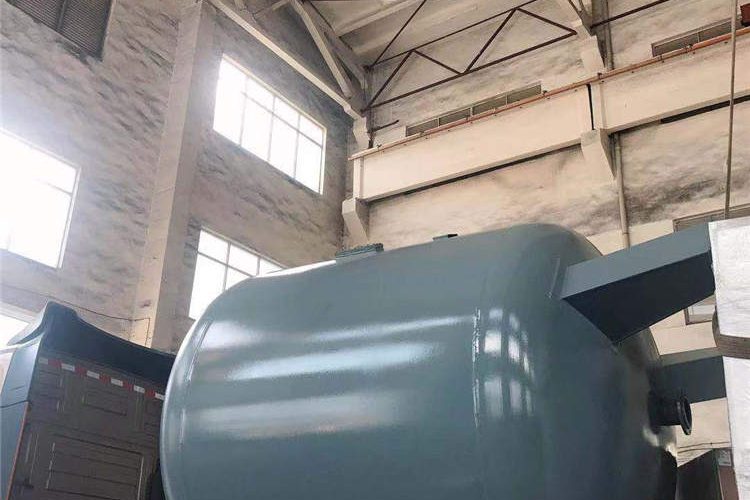
Activated carbon filter is a device that uses the adsorption characteristics of activated carbon to purify water or air, mainly removing impurities through physical adsorption and partial chemical reactions.
一、 Core functions and principles
1. Adsorption mechanism
The porous structure of activated carbon (with a specific surface area of 1200m ²/g) can efficiently adsorb residual chlorine, odors, organic matter, and heavy metal ions.
Has a significant removal effect on pigments, colloids, and volatile organic compounds (VOCs) in water, and can reduce COD values.
2. Filter type
Water treatment: As a pre-treatment for reverse osmosis systems, to protect subsequent equipment from residual chlorine pollution, attention should be paid to the possible powder blockage problem that may occur during initial use.
Air purification: suitable for the treatment of catering fumes, combined with electrostatic or UV photolysis technology to improve purification efficiency.
二、 Application scenarios
In the household field, water purifiers (such as water filters, faucet filters) and air purifier filters need to be replaced regularly.
Industrial sector: Waste gas treatment (such as paint mist purification), water purification in the food and pharmaceutical industry, commonly using honeycomb activated carbon or modified activated carbon to enhance adsorption capacity.