
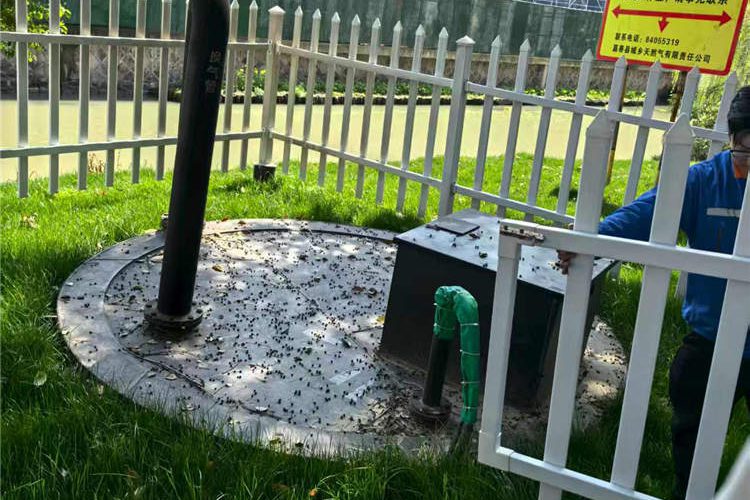
The combination of negative pressure drainage system and centralized treatment device has shown significant advantages in modern sewage treatment, especially in complex terrain or high-density areas. The following is a summary of key features and working principles:
1、 Core advantages of negative pressure drainage system
Efficient transmission: High speed drainage is achieved through full tube negative pressure flow, avoiding blockage and leakage problems in gravity flow systems, and improving transmission efficiency by more than 40%.
Environmental adaptability: Suitable for complex terrains such as mountainous areas and dense rivers, with a short construction period and no need for large-scale excavation.
Automatic control: Utilizing float linked valves and negative pressure differential mechanisms to achieve automatic drainage without power, such as water accumulation treatment in coal mine gas pipelines.
2、 Centralized processing device function
Data management: Using multiplexing technology to allocate resources, supporting protocol adaptation (such as RS-485) and dynamic bandwidth optimization to ensure data transmission stability.
Waste liquid treatment: Through steps such as coarse slag filtration and precision filtration, the recycling of cutting fluid or wastewater is achieved, reducing resource waste.
Centralized chip removal: Multiple machine tool chips are collected in a unified chip collection vehicle to improve the overall production efficiency of the factory.
3、 Typical application scenarios
Rural sewage treatment: Negative pressure system realizes rainwater and sewage separation, and centralized devices treat high concentration sewage.
Industrial environment: The combination of negative pressure drainage and centralized filtration system in coal mines ensures safety and environmental protection.
The system further expands its application flexibility through modular design (such as multi port cards) and remote maintenance capabilities.